

Size: 60 Capsules
Shipping: $6.95 / FREE Over $99.00
UPC: 669348010364
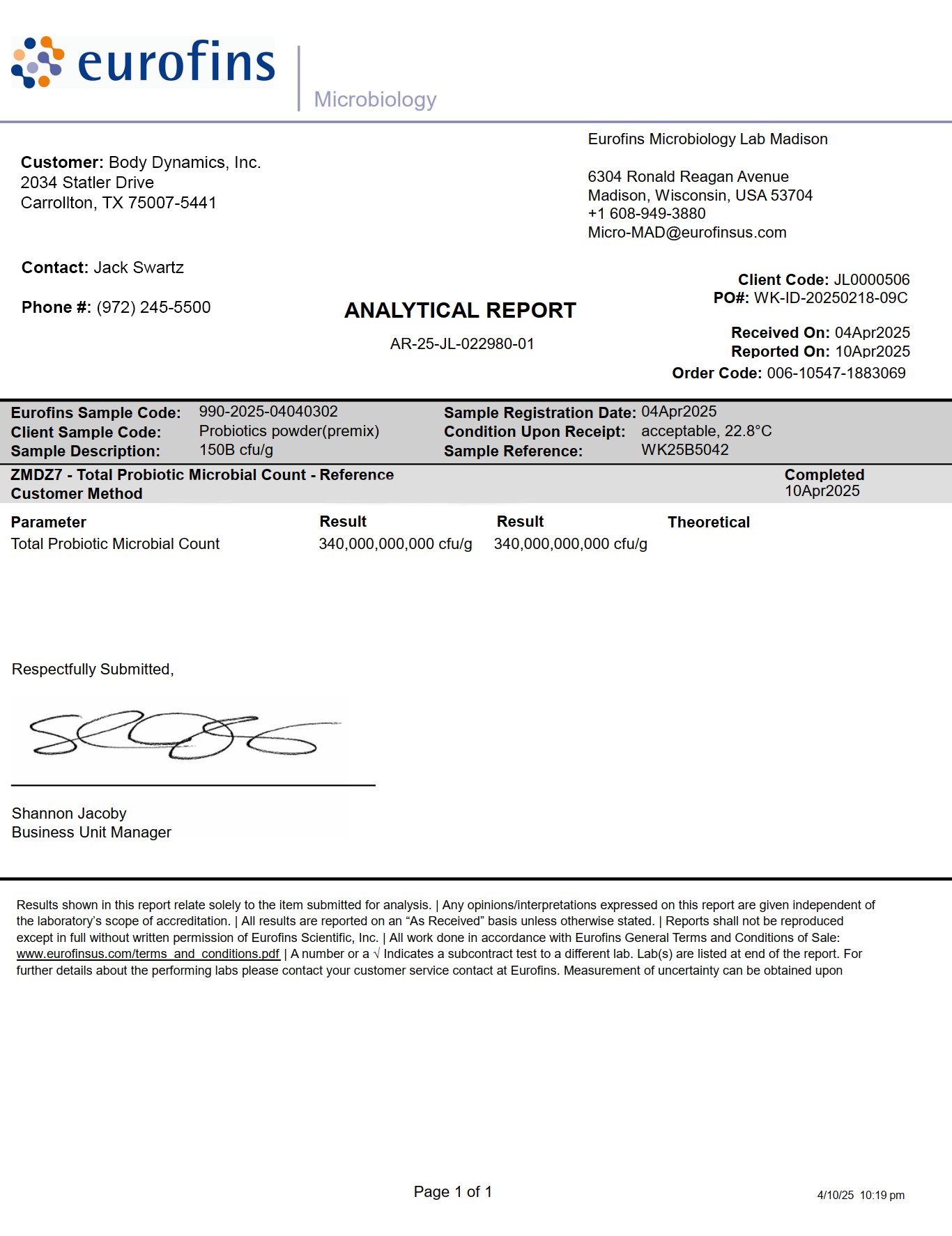
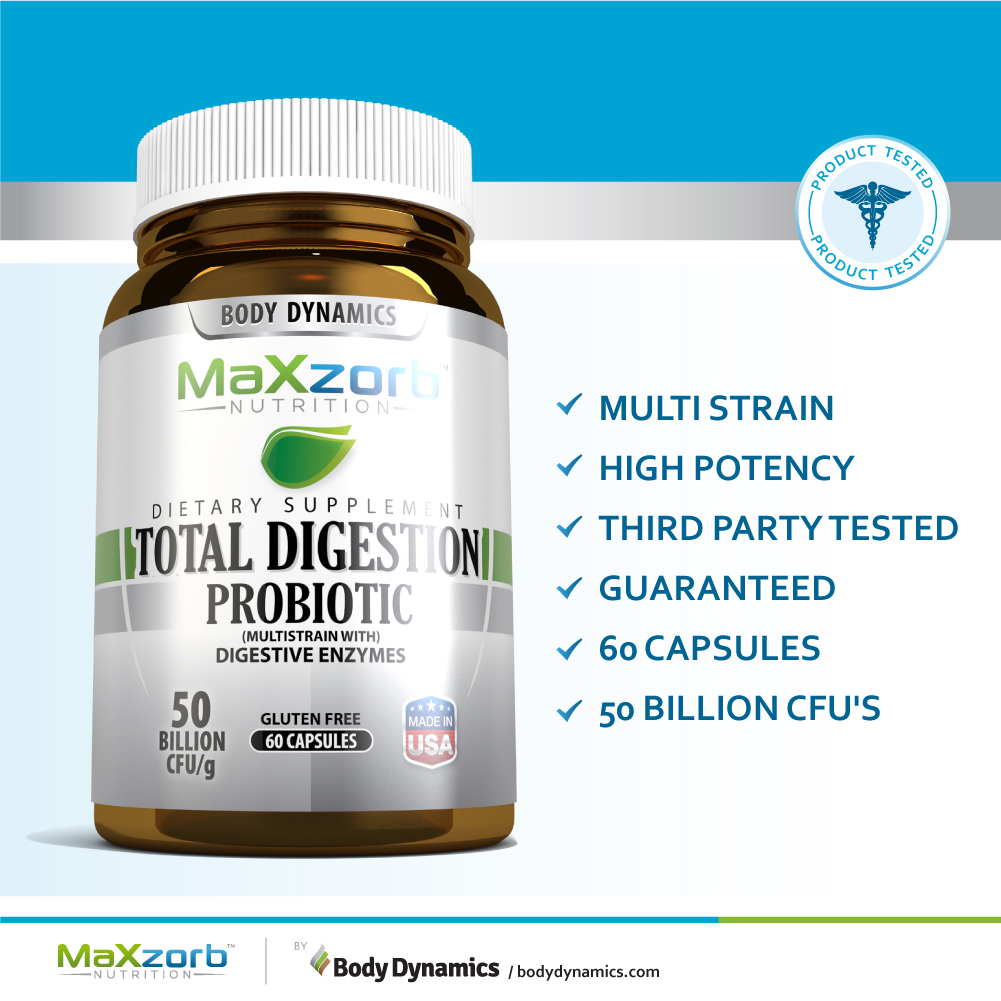
Maxzorb Total Digestion Probiotic combines a high potency, multi-strain probiotic blend with digestive enzymes for complete digestive care in a single serving dose.
The probiotic blend is formulated to promote the growth of beneficial bacteria in the small and large intestines lost from diets high in processed foods, antibiotics, hormone replacement, oral contraceptives, and the everyday stress of life. Total Digestion favorably alters the intestinal friendly bacteria balance for an overall healthy gastrointestinal tract.
If you are experiencing any of the following issues, it may be helpful to review your gut health. Total Digestion with Digestive Enzymes is designed to support digestive health and may assist with:
| 1 | Food allergies or food sensitivities |
| 2 | Autoimmune disorders, fibromyalgia, chronic fatigue syndrome, lupus, or rheumatoid arthritis |
| 3 | Poor digestion, bloating, gas, constipation, loose stools, heartburn and nutrient malabsorption |
| 4 | Inflammatory Bowel Disease (IBD) including IBS, Crohn's or colitis |
| 5 | Thyroid issues such as hypothyroidism, Hashimoto's thyroiditis or Graves disease |
| 6 | Adrenal fatigue, candida and slow metabolism |
| 7 | Mood disorders including anxiety, depression and autism |
| 8 | Chronic pain in joints and muscles, including arthritis and headaches |
| 9 | Skin problems including eczema, psoriasis, rosacea, acne and age spots |
Bad bacteria have taken over, thanks to years of bad foods, antibiotics, stress and a backed-up load of fecal matter in your colon. Most people have 85% bad bacteria and only 15% good bacteria — causing gas, bloating, low energy, constipation, diarrhea, anxiety, headaches, mood swings, joint pain, immune problems, acne, sinus problems and depression.
| Lactobacillus Acidophilus | Lives in the small intestine producing Vitamin K and lactase. Breaks down food and creates an unfriendly environment for harmful bacteria. |
| Lactobacillus Plantarum | Creates a healthy barrier in the colon to keep dangerous bacteria from penetrating the intestinal lining. A treatment for IBS, Crohn's disease and Colitis. |
| Lactobacillus Salivarius | Breaks up and melts away hard, crusty old fecal matter packed on the colon walls. A powerful bowel cleanser active on proteins and byproducts of protein putrefaction. |
| Bifidobacterium Lactis | Resists acid digestion and bile salts to reach the colon in large numbers. Helps alleviate constipation, prevent diarrhea, and decrease chronic inflammation of the sigmoid colon. |
| Bifidobacterium Bifidum | Immune-strengthening properties reported in the American Journal of Clinical Nutrition. Reduces inflammatory responses in the colon and has a suppressive effect on tumors. |
| Bifidobacterium Longum | One of the most important residents in the human GI tract. Keeps the digestive tract running smoothly, blocks harmful bacteria, and boosts the immune system. |
| Streptococcus Thermophilus | Alleviates symptoms of lactose intolerance and gastrointestinal disorders. Immunologist Lie Metchnikoff praised it for gastrointestinal health and longevity in "The Prolongation of Life." |
| Alpha & Beta Amylase | Breaks down starch into sugar. Also present in human saliva as the first stage of carbohydrate digestion. |
| Protease | Breaks down protein foods to liberate the amino acids needed by the body — essential to digestion. |
| Lipase | Breaks down fats in food for absorption in the intestines. Those with Crohn's or celiac disease may not produce enough lipase to digest fats properly. |
| Cellulase | Breaks down cellulose — the main part of plant cell walls. The human body does not produce cellulase, so supplementing helps extract maximum nutrition from plants. |
| Lactase | Essential for the digestion of milk. Deficiency of this enzyme causes lactose intolerance. |
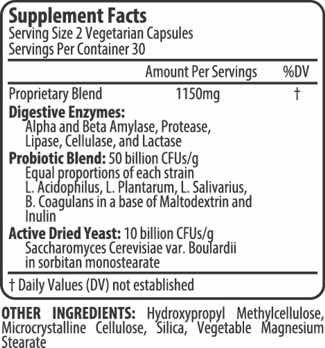
Saccharomyces boulardii is a yeast — a type of fungus — previously identified as a unique species but now believed to be a strain of Saccharomyces cerevisiae (baker's yeast). It is one of the most studied and respected probiotics in clinical research.